
Heat-Reducing Blinds in Singapore
Explore heat-reducing blinds designed to soften glare and regulate warmth, supporting relaxed, well-balanced interiors in Singapore’s tropical climate.
Designed to Reduce Heat, Without Compromising Light
Heat-reducing blinds are designed to manage solar heat at the window, limiting how much warmth enters your space while still allowing natural light to filter through. Rather than darkening a room completely, these blinds help soften glare and moderate indoor temperatures, creating a more comfortable living environment throughout the day.
Unlike blackout blinds which focus on light blockage or heat retention, heat-reducing blinds work by reflecting and filtering radiant heat before it enters the room. Through specialised fabrics, coatings, or layered constructions, they reduce heat build-up at its source, making them especially suited for sun-exposed homes in Singapore where light is welcomed, but excess heat is not.
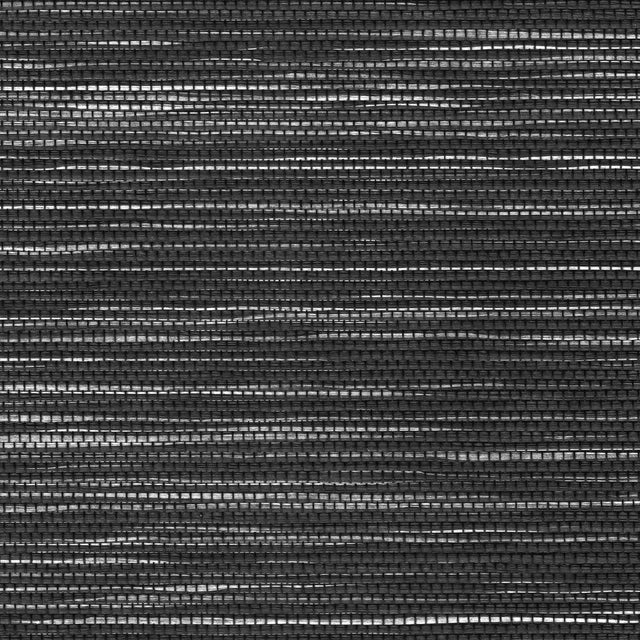
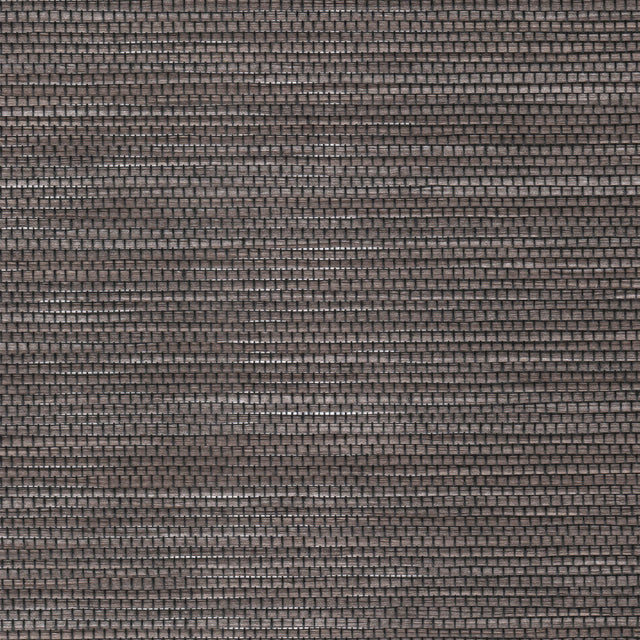
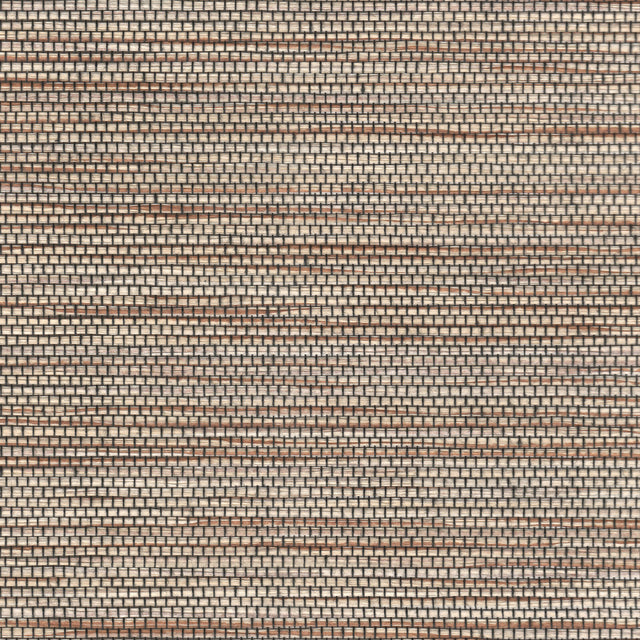
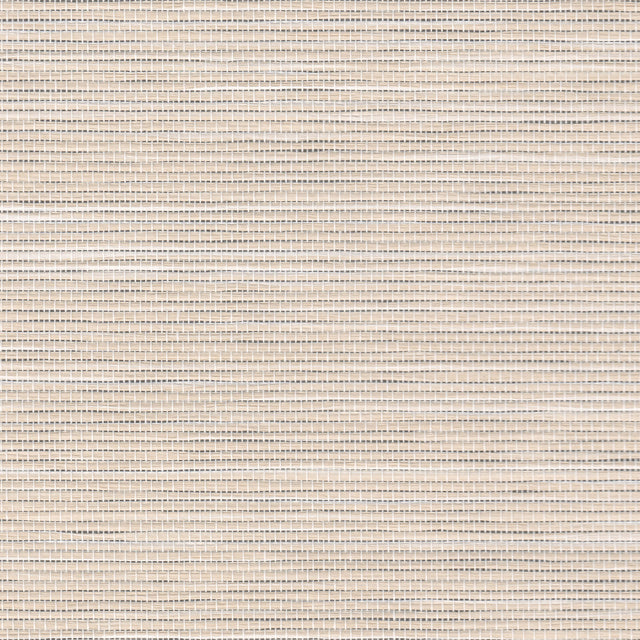
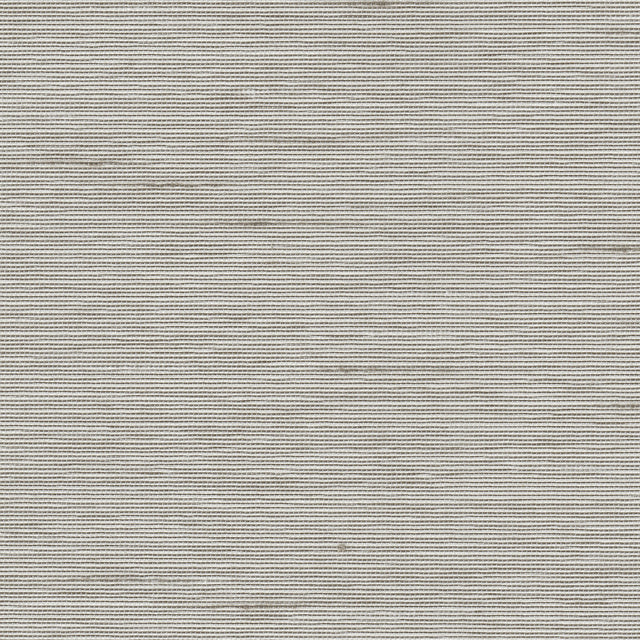
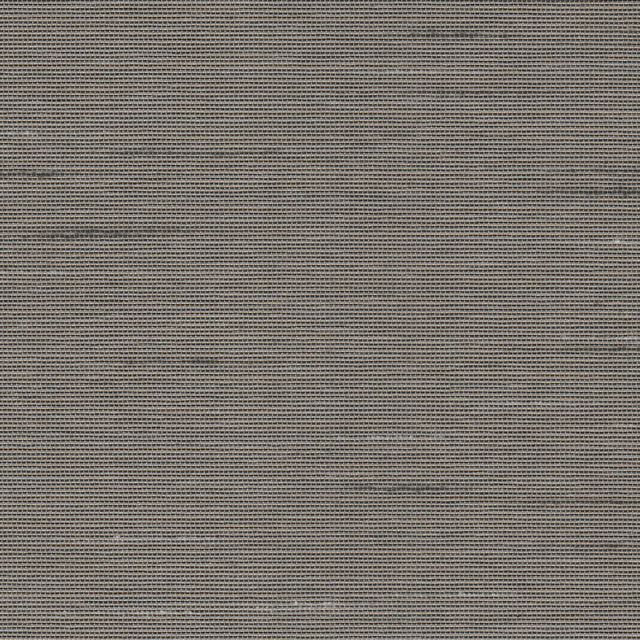
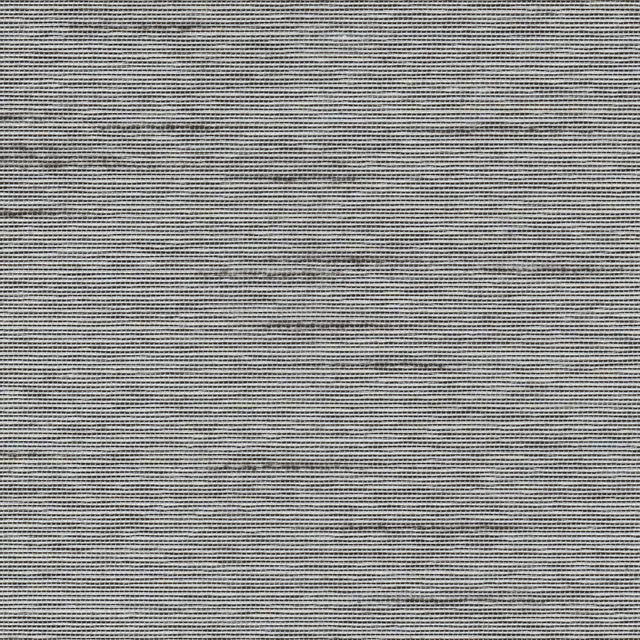
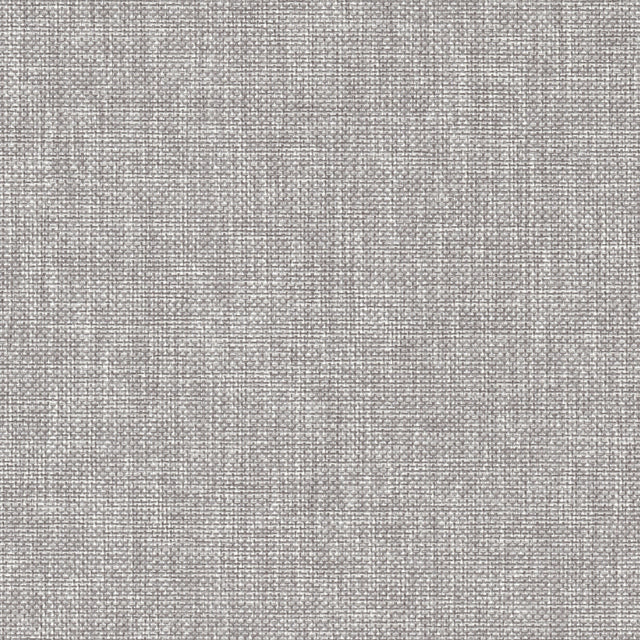
Our Anti-Heat Blinds Collection in Singapore






Key Benefits of Anti-Heat Blinds
Designed for Singapore’s sun-facing homes, anti-heat blinds offer a considered balance between thermal comfort and visual openness. By managing heat at the window, they help create calmer, cooler interiors without sacrificing daylight or style.
- Reduces Indoor Temperature: Limits solar heat gain at the window, helping rooms feel noticeably cooler during the day.
- Lowers Air-Conditioning Usage: By reducing heat build-up naturally, these blinds support more efficient cooling and less reliance on air-conditioning.
- Improves Daytime Comfort: Softens harsh sunlight and glare, creating a more pleasant environment for living, working, or entertaining.
- Maintains Natural Light: Designed to filter rather than block light entirely, allowing spaces to remain bright while keeping excess heat at bay.
Heat-Reducing Blinds vs Standard Roller Blinds
While standard roller blinds provide basic shading, they are not designed to address Singapore’s intense solar exposure. Heat-reducing blinds are engineered specifically for tropical conditions, offering a noticeable difference in comfort and performance.
| Feature | Heat-Reducing Blinds | Standard Roller Blinds |
|---|---|---|
| Heat rejection capability | Designed to reflect or block solar heat before it enters the room | Primarily reduces glare, with minimal heat control |
| Energy efficiency | Helps stabilise indoor temperatures, reducing reliance on air-conditioning | Limited impact on cooling efficiency |
| Everyday comfort | Keeps living spaces cooler and more comfortable throughout the day | Rooms may still feel warm, especially during peak sun hours |
| Suitability for tropical climates | Purpose-built for strong sunlight and prolonged heat exposure | Less effective under Singapore’s year-round sun |
| Stack Height | Honeycomb blinds feature a highly compact stack that takes up very little space at the top of your window when raised. | The blinds rolls into a cylindrical tube, which may require a larger valance or headbox depending on the window size. |
How to Choose the Right Heat-Reducing Blinds
Selecting heat-reducing blinds is as much about how you live as it is about how your home receives light and heat. These considerations help ensure comfort without compromising on aesthetics.
- Window Orientation: Windows that face west or receive strong afternoon sun benefit most from heat-reducing blinds with higher solar rejection, helping to temper heat build-up during the warmest hours of the day.
- Fabric Type and Coating: Specialised fabrics and reflective or heat-blocking coatings play a key role in reducing solar gain. These materials work by deflecting heat before it enters the room, rather than darkening the space entirely.
- Openness Versus Heat Rejection: Some heat-reducing blinds are designed to maintain outward visibility and natural daylight, while others prioritise stronger heat control. The right balance depends on whether your space values brightness, privacy, or maximum cooling.
- Manual or Motorised Operation: For large windows or sun-exposed living areas, motorised blinds offer effortless adjustment throughout the day. Timed or app-controlled settings allow you to manage heat more intuitively, aligning comfort with your daily routine.
Browse Our Anti-Heat Blinds
Explore anti-heat blinds crafted to regulate sunlight and indoor temperatures while complementing your interior. As part of our wider range of luxury soft furnishings, these designs balance performance, comfort, and understated elegance for Singapore homes.
Contact us to visit our showroom today.
Frequently Asked Questions About Heat-Reducing Blinds
Are heat-reducing blinds effective in Singapore’s climate?
Yes. Heat-reducing blinds are well suited to Singapore’s year-round sun exposure. They are designed to minimise solar heat gain, helping interiors feel cooler and more comfortable during the day.
What is the difference between heat-reducing blinds and blackout blinds?
Heat-reducing blinds focus on reflecting and limiting solar heat, often while maintaining daylight visibility. Blackout blinds are designed primarily to block light, offering privacy and darkness rather than heat management.
Do heat-reducing blinds block light completely?
Not always. Many heat-reducing blinds are designed to filter and reflect heat while still allowing natural light to enter. Blackout options are available if full light exclusion is required.
Are heat-reducing blinds and insulating blinds the same?
They serve related but different purposes. Heat-reducing blinds focus on limiting solar heat entering through windows, while insulating blinds are designed to slow overall heat transfer, helping interiors stay cooler during the day and retain comfort at night.
Do heat-reducing blinds work at night?
At night, heat-reducing blinds continue to provide privacy and glare control. While their primary benefit is daytime solar heat reduction, certain fabrics can also help maintain a more stable indoor environment after sunset.
Are heat-blocking window shades suitable for large glass windows?
Yes. Heat-blocking window shades are commonly used on large windows and full-height glazing, where managing glare and solar heat is especially important. Custom sizing ensures a clean, proportionate fit.
Can anti-heat blinds help reduce electricity bills?
By reducing heat build-up during the day, anti-heat blinds can lower reliance on air-conditioning. This supports more energy-efficient cooling and may contribute to reduced electricity usage over time.