Heat-Insulating Blinds in Singapore
Shop thoughtfully designed insulating blinds that help manage heat and glare in modern Singapore homes.
Insulating and Thermal Shades for Heat Control
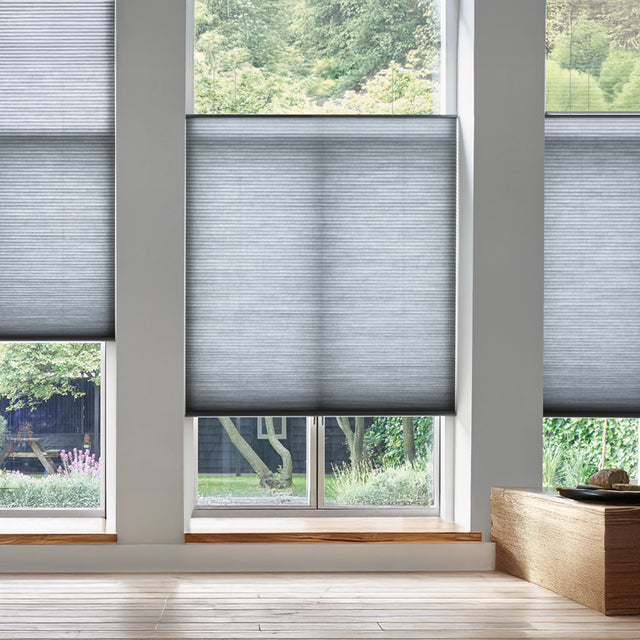
In Singapore homes, heat control is a daily consideration shaped by sun exposure rather than seasonal change. Insulating and thermal blinds are designed to reduce the transfer of external heat through windows, helping interiors feel calmer and more comfortable as light shifts throughout the day.
By limiting direct solar heat and glare during daylight hours, these blinds help create a more balanced indoor environment. After sunset, they continue to act as a subtle buffer at the window, supporting thermal stability and overall comfort. The result is a living space that feels considered and composed, even in consistently warm conditions.
Our Insulating Shades Collection in Singapore
Why Choose Insulating Blinds?
Beyond aesthetics, insulating blinds offer practical benefits that enhance everyday comfort and privacy.
- Reduces Indoor Heat: Designed to limit solar heat transfer through windows, insulating shades help moderate temperature in sun-facing spaces.
- Improves Thermal Comfort: By stabilising conditions near the window, these blinds support a more consistent and comfortable indoor environment throughout the day.
- Supports Lower Air-Conditioning Use: With reduced heat gain, interiors may rely less heavily on air-conditioning, especially during peak daylight hours.
- Reduces Glare: Insulating blinds soften harsh sunlight, improving visual comfort without fully blocking natural light where desired.
- Enhances Privacy: Carefully selected fabrics provide privacy while maintaining a clean, understated appearance suited to modern interiors.
Insulated Window Shades vs Heat-Reducing Blinds
While both options are designed to manage heat and light, insulated window shades and heat-reducing blinds differ in structure, performance, and how they interact with interior spaces.
| Insulated Window Shades | Heat-Reducing Blinds | |
|---|---|---|
| What they do best | Help keep indoor temperatures more stable | Reduce glare and heat from direct sunlight |
| How they work | Use layered or thicker fabrics to slow heat transfer at the window | Use specially treated or woven fabrics to reflect or filter sunlight |
| Light control | Available in light-filtering or blackout options | Adjustable light control depending on fabric choice |
| Look and feel | Softer, fabric-led appearance | Clean, streamlined, and minimal |
| Best for | Bedrooms or rooms where comfort and rest are priorities | Living rooms or workspaces with strong daylight |
How to Choose the Right Insulating Blinds
Selecting insulating blinds is about understanding how your space is used and how much heat and light control you require.
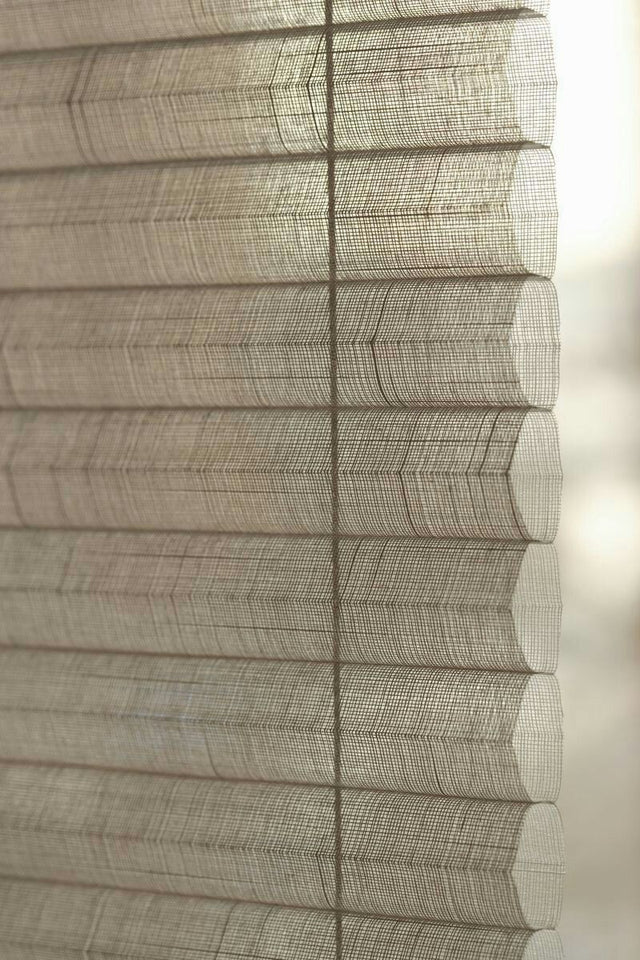
- Fabric Thickness: Thicker or more densely woven fabrics generally offer better insulation and glare reduction, making them suitable for sun-facing windows.
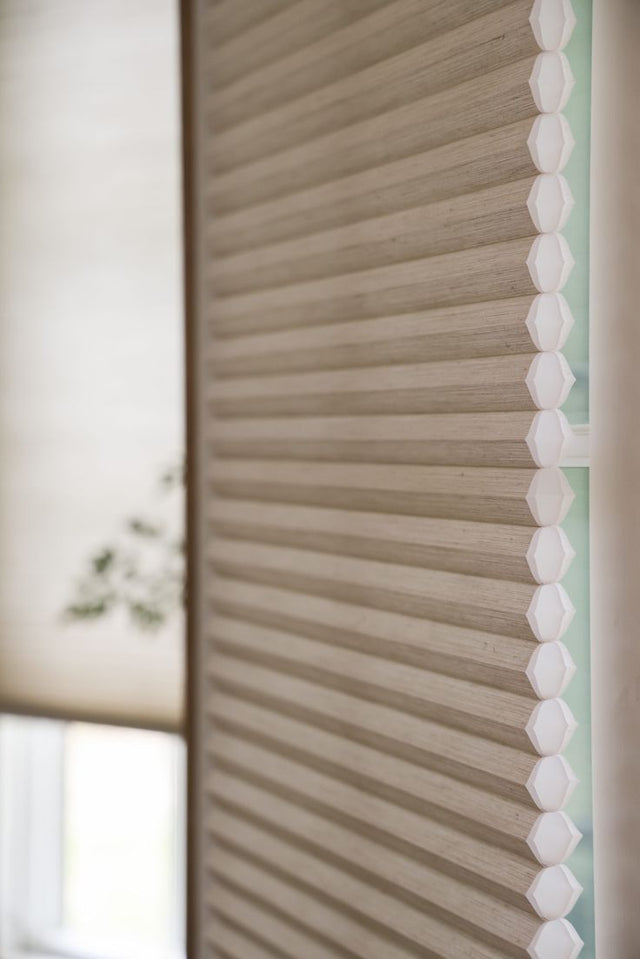
- Layered or Cellular Designs: Blinds with layered or cellular structures create air pockets that help slow heat transfer, supporting improved thermal comfort.
- Window Size and Room Usage: Larger windows or rooms with prolonged sun exposure may benefit from higher-performing insulating blinds, while smaller spaces may require lighter solutions.
- Lifestyle Considerations: Consider how the room is used throughout the day. Living areas may prioritise adjustable light control, while bedrooms often benefit from enhanced insulation and privacy.
Explore Heat-Insulating Blinds at Aratamete
As a destination for soft furnishings in Singapore, Aratamete offers heat-insulating blinds designed to balance comfort, performance, and aesthetics.
Book a showroom appointment for a personalised consultation and explore window treatments tailored to your space and lifestyle.
Frequently Asked Questions About Heat-Insulating Blinds
How do thermal window blinds work?
Write some useful information about your shipping details
Link to your shipping policy.
Do insulated window shades help keep rooms cool?
Yes. Insulated window shades help moderate indoor temperatures by reducing direct heat gain from sunlight. This creates a cooler, more comfortable environment, especially in rooms exposed to strong afternoon sun.
Are insulating blinds effective at night?
Insulating blinds continue to work after sunset by helping retain cooler indoor air. When fully drawn, they reduce heat exchange through glass surfaces, supporting consistent indoor comfort throughout the night.
Can insulating blinds reduce energy consumption?
By improving thermal comfort, insulating blinds can reduce reliance on air-conditioning during the day and night. Over time, this may contribute to more efficient energy usage without compromising comfort.
Are insulated blinds for windows bulky or heavy?
No. Modern insulating blinds are designed to remain visually streamlined. Many options feature slim profiles and clean lines, ensuring they integrate seamlessly into contemporary interiors without adding visual weight.
Can insulating shades be used together with heat-reducing blinds?
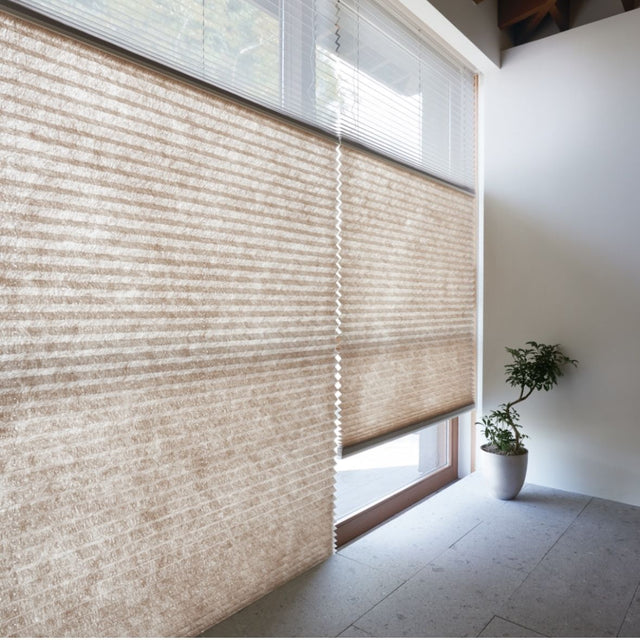
Yes. Insulating shades can be layered with other heat-reducing blinds to enhance performance. This approach allows for greater flexibility in managing light, privacy, and heat throughout the day.
Which rooms benefit most from thermal shades?
Thermal shades are especially well-suited for living rooms, bedrooms, and home offices that receive prolonged sun exposure. They are also ideal for spaces where comfort, glare control, and privacy are key considerations.