
Curtain Pleats Explained: A Guide to Choosing Between Pinch, Wave, and French
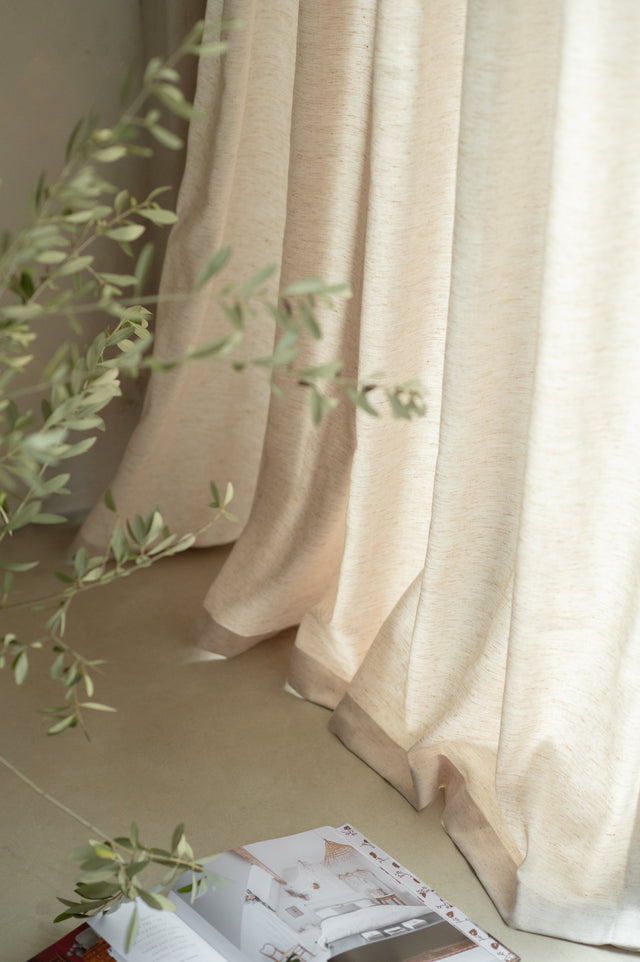
Curtain pleats decide more of a room's finish than most homeowners expect. Fabric and colour catch the eye first, but the pleat is what determines whether the same yardage falls loosely or holds a tailored line.
Homeowners upgrading or customising their window treatments often feel overwhelmed when shown pleat options for the first time. The choice can feel technical when it should feel straightforward.
This guide walks through the three main types of curtain pleats, explaining what each style does, where it works best, and how to choose with confidence before committing.
Types of Curtain Pleats Every Homeowner Should Know
Singapore homes generally gravitate to one of three curtain pleat styles. Each creates a different silhouette, and each suits a different kind of room.
Pinch Pleat Curtains and the Double Pleat Finish
Pinch pleat curtains gather fabric into neat, evenly spaced folds across the heading. Most Singapore homes specify the double pleat curtain version, where two folds are pinched together at each point to create a tailored, classic finish.
This style covers the track fully once hung, which limits light seepage from above the rail. As a result, pinch pleats pair well with night curtains in bedrooms, where blocking early morning light matters more than it does in a living room.
Homeowners who lean toward a traditional or formal look tend to prefer pinch pleats. The fabric requirement sits in the middle range, more than a flat panel but less than a fuller pleat style demands.
Wave Pleat Curtains, Also Known as the S-Fold Curtain
The S-fold curtain, also called wave pleat or ripplefold, creates a continuous soft wave across the width of the window. No visible pleats or hooks interrupt the line, which gives the curtain a sleek and modern silhouette.
This style suits day curtains in particular, since sheer or lightweight fabric moves well in the wave and brings a relaxed, resort-like feel to a room during daylight hours.
However, wave pleats require a compatible track system, and they use more fabric than pinch pleats do. Homeowners considering the switch should treat it as a deliberate upgrade rather than a like-for-like swap.
French Pleat Curtains, A Structured Choice
The French pleat curtain, sometimes called the triple pleat, is the most decorative and structured of the three. Each pleat holds its shape across long stretches of fabric without softening over time.
This structure suits larger windows and more formal living spaces, where fuller, sculpted folds add a sense of occasion to tall windows and rooms with high ceilings.
French pleats also pair naturally with heavier or textured fabrics. These materials benefit from the extra support a triple fold provides, holding their line rather than collapsing under their own weight.
Choosing the Right Fit for Your Home
Matching Pleat to Room and Fabric
There is no single best pleat for curtains. Instead, the right choice among the types of curtain pleats depends on window size, room function, and fabric weight, rather than on trend alone.
Wider windows carry the fuller folds of French pleat or S-fold curtain styles more comfortably than narrow ones do. In contrast, a narrow window often reads better with the tighter, more compact folds of pinch pleats.
Homeowners weighing pleat choices can start with a few factors:
- Window width: Wider spans carry fuller pleats like French or S-fold more naturally.
- Room function: Bedrooms often favour pinch pleats for coverage, while living rooms suit wave or French.
- Fabric weight: Heavier fabric holds structure better in French pleat than in a soft wave.
- Maintenance: A double pleat curtain generally comes down and rehangs more easily than a structured style.
The pleat at the top works alongside the finish at the bottom. Getting the drop right, whether float, kiss or puddle, changes how the whole curtain looks in the room.
Pleat Spacing and Fullness
Pleat spacing follows the curtain's fullness ratio, worked out against the track or rod length, rather than a fixed universal number. No single spacing figure applies to every window.
Most pleats sit somewhere between 10 and 15 centimetres apart, though the exact spacing varies with fabric weight and the chosen style. Heavier fabric often needs slightly wider spacing to sit properly.
For a general reference, a standard window typically takes 6 to 10 pleats, depending on width and fullness ratio. Wider windows carry proportionally more pleats, which keeps the fold size consistent from edge to edge.
Getting the proportions right also does quiet work on scale, one of the details that can make a room look bigger without any structural change.
As ready-made panels cannot account for a specific window's proportions, the count and spacing may not sit as intended. As such, it’s best to confirm this detail during a made-to-measure consultation.
Bringing It All Together

Pleats are a small detail, but they tie a room's luxury soft furnishings together rather than sitting as an afterthought to fabric choice.
At Aratamete, our custom curtains allow pleat style, fullness, and fabric to be specified together from the start, instead of adjusted after installation. This ensures every curtain performs and looks exactly as intended, without compromise on fit or finish.
Speak with our team to see curtain pleat samples in person before you decide.