
How to Decide Whether to Reupholster or Replace a Sofa or Armchair
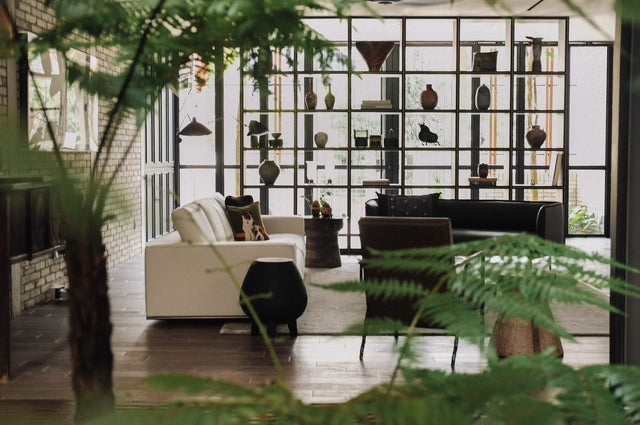
When a sofa or armchair looks tired, most homeowners end up asking the same question: “should I repair it or replace it?”
In general, the frame beneath a well-built sofa can outlive three or four rounds of fabric. Upholstery tends to wear out long before joinery, which is why reupholstering a sofa can sometimes be a better decision than buying a completely new one.
When Reupholstery Makes Sense
Whether reupholstery makes sense is all dependent on the bones of your sofa. If the frame is still solid, sofa reupholstery can refresh the look of your furniture at a fraction of the cost of buying a complete new piece. Besides savings, some reasons why one might opt for sofa reupholstery include:
- Frame Quality: Hardwood frames with mortise-and-tenon or well-set dowel joints are built to be reworked. They typically outlast the fabric several times over.
- Character: Heirloom pieces, vintage finds and custom-built sofas can carry memories or history that you might want to keep.
- Sustainability: Reupholstery keeps a working frame out of landfill and uses far less material than building new.
The same applies to chair upholstery. A worn wing chair or dining chair with solid joinery is often a better candidate for reupholstery than a low-cost sofa bought new a few years ago, because the frame is doing most of the work either way. We go deeper on why jute, wool and linen make sense for reupholstery in our guide to natural fibres.
When Replacement Is the Sensible Call
When pieces reach the end of what reupholstery can fix, no amount of new fabric or skilled workmanship will fix a structural problem. Some of the signs that your furniture is too far gone include:
- Structural Signs: A broken frame, sagging that returns after re-webbing, or joinery that wobbles even after tightening usually means the frame itself is gone.
- Cost Ratio: When a reupholstery quote reaches sixty percent or more of a comparable new piece, replacement usually makes more sense.
- Comfort and Scale: If the seat depth, cushion density or overall proportion no longer suit how the room is used, new fabric will not fix that.
Choosing Fabrics for Reupholstery
One of the great things about opting for reupholstery is the ability to change the look and feel of your sofa or chair. Once you decide to reupholster, fabric is what determines how the piece looks and performs from here.
- Match to Your Use Case: A chair in a formal living room can be reupholstered using fine linen or velvet. Meanwhile, families might want to think about a performance weave with a higher rub count and better stain resistance.
- Colour and Pattern: Reupholstery is a chance to fix a colour that has aged badly, or bring in texture where the old fabric was flat.
- Coordinate with Surrounding Decor: A freshly upholstered sofa rarely exists in a vacuum. To create a cohesive look, pair your new upholstery with other luxury soft furnishings like custom curtains or textured living room rugs for organic depth.
Giving Well-Built Furniture a New Life

The decision to choose between whether to reupholster or replace a sofa comes down to three key factors: frame integrity, overall costs, and whether the piece still suits how your space is used.
If you’re looking for funishings to complement your sofa, Aratamete can help me compose the space surrounding your furniture. Whether you choose to restore an heirloom or source a new piece entirely, we specify textiles, custom curtains, and bespoke rugs that complement your furniture's scale and tone. Getting the surrounding elements right is what turns a single standalone sofa into a cohesive, enduring home.